Logo
Making Cancer Screening More Accessible

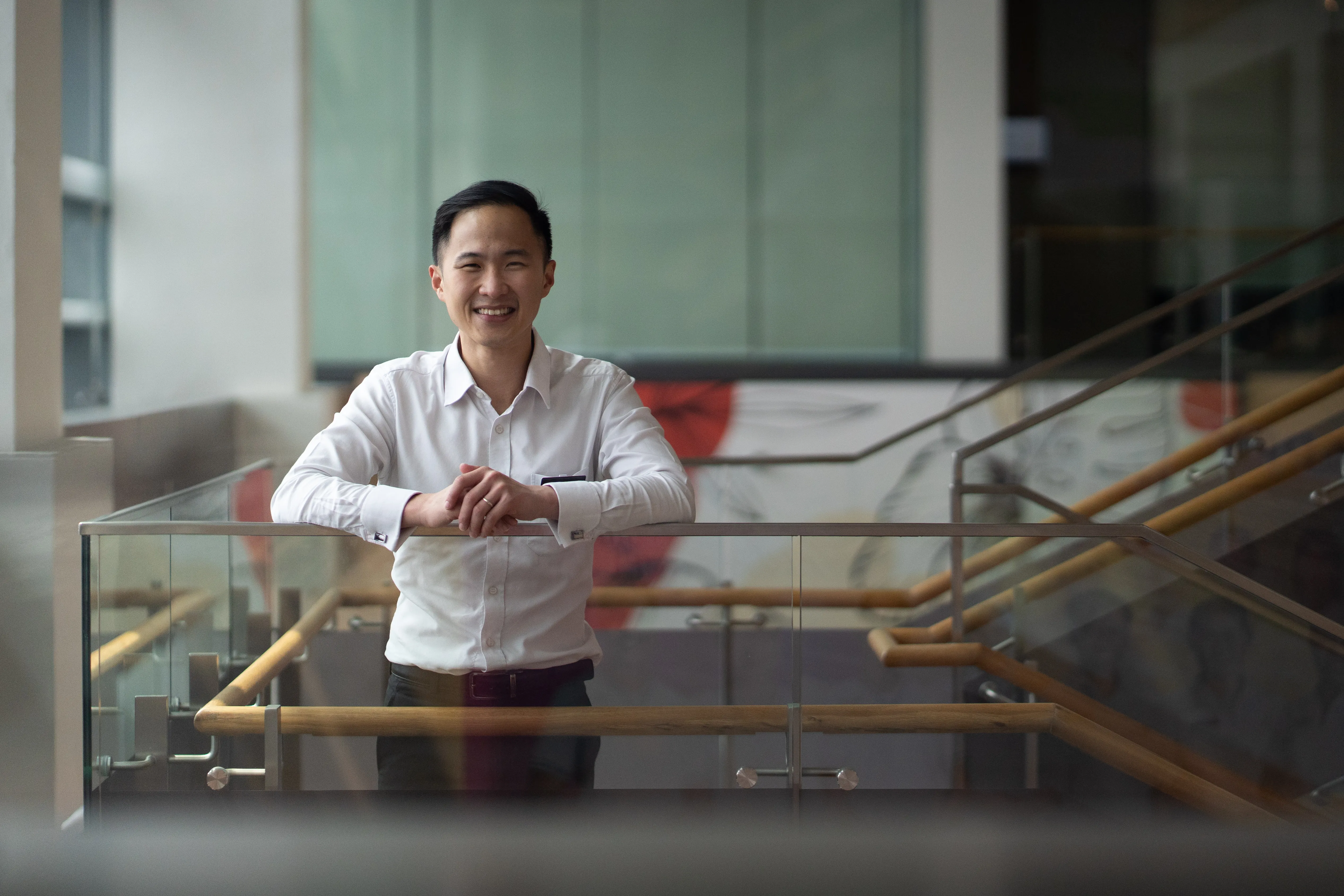
Clinical Assistant Professor Kennedy Ng believes some of the greatest gains in cancer care can come much earlier.

Studying patterns of cancer care across Singapore

Studying patterns of cancer care across Singapore

As a consultant in the Division of Medical Oncology at the National Cancer Centre Singapore (NCCS), Clin Asst Prof Kennedy Ng sees firsthand the consequences of late cancer detection. This has shaped his approach connecting national data, population health, and clinical research – identifying where outcomes and access can be improved, designing interventions to address these gaps, and evaluating whether they can work at scale.

Closing the gap

Closing the gap

Clin Asst Prof Ng's research uses national healthcare datasets to understand cancer diagnosis and treatment across Singapore. His work on colorectal cancer found that screened patients were far less likely to be diagnosed at stage four, with five-year survival rates of 90 per cent versus 50 per cent for unscreened patients. Yet screening uptake remains low, with disparities across socioeconomic and ethnic groups – raising the question of how to reach those who stand to benefit most.

Turning research insights into action

Clin Asst Prof Ng is leading a large-scale study involving approximately 40,000 screening-eligible residents across SingHealth, together with SingHealth Polyclinics, SingHealth Office of Regional Health, Singapore General Hospital (SGH) Division of Pathology, SingHealth Colorectal Cancer Assessment Centres (in SGH, Changi General Hospital and Sengkang General Hospital), Centre for Population Health Research and Implementation (CPHRI), Health Promotion Board, Research Institute for Cancer Prevention, Screening, and Early Detection, Singapore Translational Cancer Consortium, and the Singapore Cancer Society.

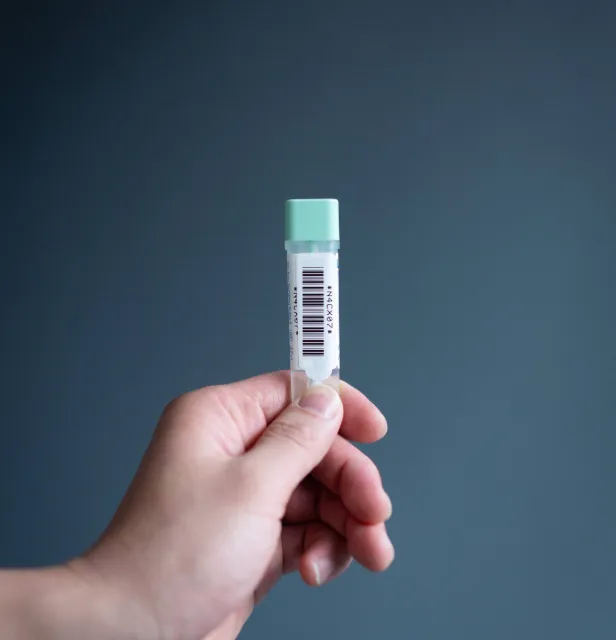
The study tests whether mailing faecal immunochemical test kits directly to residents, alongside behaviourally informed communications and patient navigation, can increase colorectal cancer screening uptake. Rather than waiting for residents to visit a clinic, the approach brings screening into their homes.

Beyond increasing overall screening rates, the study will examine whether the intervention can reduce socioeconomic and demographic disparities – developing a model of screening that is both effective and equitable, with the longer-term ambition of making preventive healthcare as accessible and frictionless as possible for all residents.


“My vision is for preventive healthcare to be available at one's doorstep and, where possible, only one click away.”

Clin Asst Prof Ng

Consultant, Division of Medical Oncology, National Cancer Centre Singapore

Exploring the next frontier of cancer detection

Exploring the next frontier of cancer detection

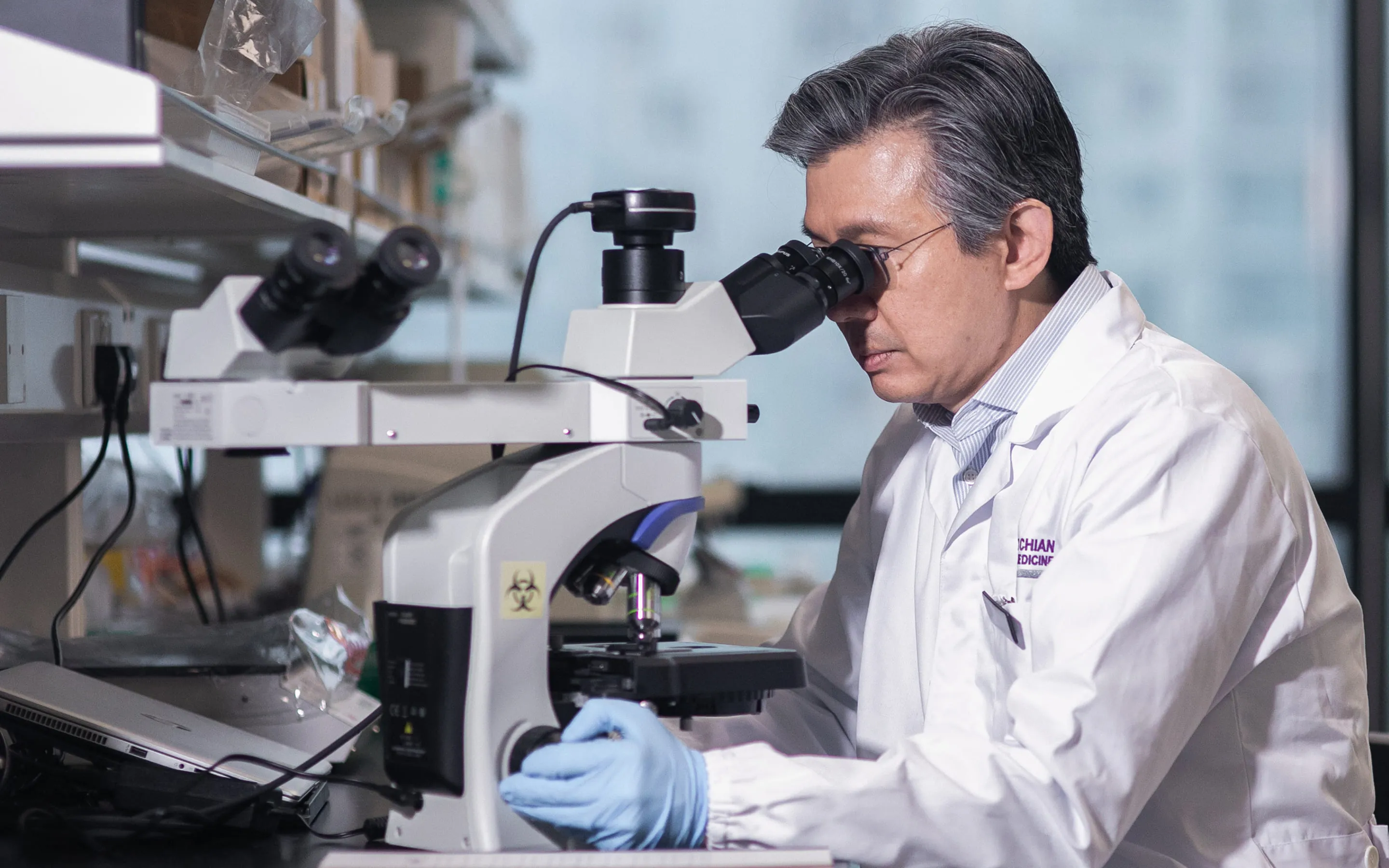
Clin Asst Prof Ng, with Assistant Professor Dawn Chong and Professor Ravindran Kanesvaran co-lead the NCCS-led Multi-Cancer Early Detection clinical service among the first in Singapore's public healthcare sector, supporting a study of 1,000 individuals at higher cancer risk to evaluate test performance and generate evidence for safe, responsible use. Together, these projects represent a continuum: national data identify the problem, population health research tests solutions, and clinical innovation explores what might come next.

This article was first published on 04 November 2026.